You've seen the headlines. You've watched the charts tumble. Gold, the supposed eternal safe haven, is in a nosedive. If you're holding gold or thinking about buying, that sinking feeling isn't just in your portfolio—it's the collective gut punch of investors worldwide asking one question: why are gold prices crashing? The simple answer everyone gives is "rising interest rates." But that's like saying a plane crashed due to gravity. It's true, but it misses the pilot's decisions, the engine failure, and the storm they flew into. The real story is a cocktail of five powerful forces converging at once. Let's cut through the noise.
What's Inside This Analysis
How a Strong US Dollar Crushes Gold Prices
Gold is priced in US dollars globally. This relationship is inverse and brutal. When the US Dollar Index (DXY) rallies, it takes more of other currencies—euros, yen, pounds—to buy the same ounce of gold. For investors in Europe or Japan, gold just got a lot more expensive overnight, killing demand.
The recent dollar surge isn't random. It's a direct bet on the US economy outperforming its peers while the Federal Reserve holds rates higher for longer. Look at the Eurozone flirting with recession, or Japan's stubbornly loose policy. Capital floods to the US, seeking yield and safety, turbocharging the dollar.
Real Yields: The Silent Gold Killer Everyone Misses
Here's where most explanations get shallow. They say "rising rates are bad for gold." That's only half true. What matters are real yields—the return on US Treasury bonds after accounting for inflation (TIPS yields). Gold pays you nothing. It's a sterile asset. Why hold a 0% yielding rock when you can get a 2%+ real, guaranteed return from the US government?
When real yields on 10-year TIPS turn positive and climb, as they have recently, the opportunity cost of holding gold becomes painfully obvious. Money rotates out. This is the core, fundamental engine of the current crash. The Federal Reserve's "higher for longer" message, confirmed in their latest meeting minutes and dot plot projections, has cemented this reality in traders' minds.
The Bond Market's Brutal Message
The bond market is screaming that the era of free money is over. Every strong jobs report or sticky inflation data point pushes the expected date of the first rate cut further out. This relentless repricing is a continuous poison drip for gold. It's not a one-off event; it's a sustained pressure.
The Great ETF Exodus: Unwinding the "Paper Gold" Trade
This is the speculative amplifier. For years, massive inflows into gold-backed ETFs like GLD created a huge pool of "paper gold" demand. This wasn't physical bars in a vault; it was financial engineering. Now, that flow has violently reversed.
According to monthly reports from the World Gold Council, global gold ETFs have seen consistent, heavy outflows. Why? These funds are often held by institutional investors and fast-money traders who are hyper-sensitive to interest rates and momentum. When the charts break lower and real yields rise, they hit the sell button en masse. This creates a self-fulfilling prophecy: selling begets more selling, triggering stop-losses and forcing liquidations.
| Factor | Impact on Gold | Mechanism |
|---|---|---|
| Strong US Dollar (DXY ↑) | Severely Negative | Makes gold more expensive for non-USD buyers, reducing global demand. |
| Rising Real Yields (TIPS ↑) | Core Negative | Increases the opportunity cost of holding non-yielding gold. |
| ETF Outflows | Amplifies Downtrend | Speculative and institutional selling creates momentum-driven downward pressure. |
| Central Bank Demand Slowdown | Removes a Key Support | Reduces a major source of consistent physical buying from the market. |
| Technical Breakdown | Triggers Algorithmic Selling | Breach of key chart levels (e.g., $2000/oz) activates automated sell programs. |
The Central Bank Wildcard: Is the Buying Spree Over?
For the past two years, record purchases by central banks (especially China, Turkey, India) were the floor under the gold market. They bought relentlessly, regardless of price, for geopolitical and de-dollarization reasons. This was the bull case.
But here's a twist nobody talks about: this demand can be lumpy and opaque. Recent data suggests some banks might be pausing or slowing their pace. Maybe their vaults are comfortable for now. Maybe local currency pressures force a halt. If this major, predictable source of demand fades even slightly, it removes a critical pillar of support just as other forces are attacking price. We don't have real-time data on this, but the lack of new, massive buying announcements during this crash speaks volumes.
When the Floor Fell Out: Technical Breakdown & Market Psychology
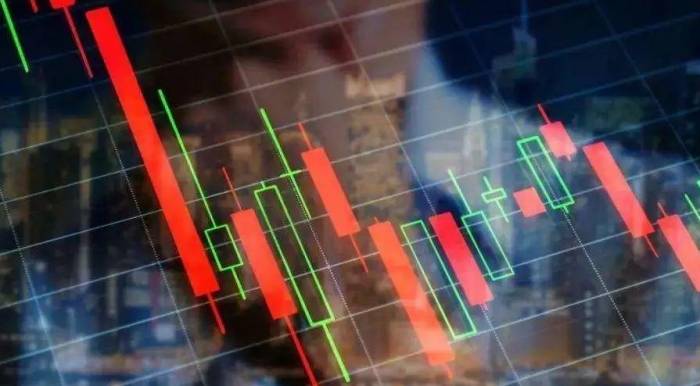
Markets are psychological. For months, $2000 per ounce was a magic line in the sand—a major support level that held through multiple tests. Traders piled up buy orders there, believing it was unbreakable.
Then it broke. Decisively. That wasn't just a price move; it was a signal. The failure of such a key level triggered a cascade of automated algorithmic selling and forced margin calls on leveraged positions. The "strong hands" who bought at $2000 became sellers, turning support into resistance. The sentiment shifted from "buy the dip" to "how low can it go?" This fear feeds on itself.
So, What Should You Do? Navigating the Crash
Panic is not a strategy. If you're a long-term holder viewing gold as portfolio insurance (5-10% allocation), this volatility is the price of admission. Selling at a panic low defeats its purpose. The insurance premium feels expensive until you need it.
If you're looking to buy, think in terms of tranches. Don't try to catch the falling knife. Wait for the market to show signs of stabilization—a period where it stops making lower lows despite bad news. Then consider a small initial position. Dollar-cost averaging over months can be smarter than betting on a single bottom.
Personally, I'm watching real yields and the dollar. A sustained peak and rollover in the DXY would be my first green light. Until then, the trend is your friend, and it's currently pointing down.

Comments
Join the discussion